

The hours immediately after school can be an important part of a child’s day. Once classes finish, children still have energy to use, experiences to process, and several hours before the evening routine begins. For parents, the challenge is finding an activity that is enjoyable while also giving those hours some positive structure.
Martial arts can offer an excellent balance.
Instead of spending the entire afternoon sitting in front of a television, gaming system, tablet, or phone, children can move their bodies, learn new skills, interact with other students, and work toward meaningful goals. Well-structured children’s martial arts programs can combine physical activity with opportunities to practice focus, discipline, confidence, cooperation, and emotional control. (OMAC Martial Arts)
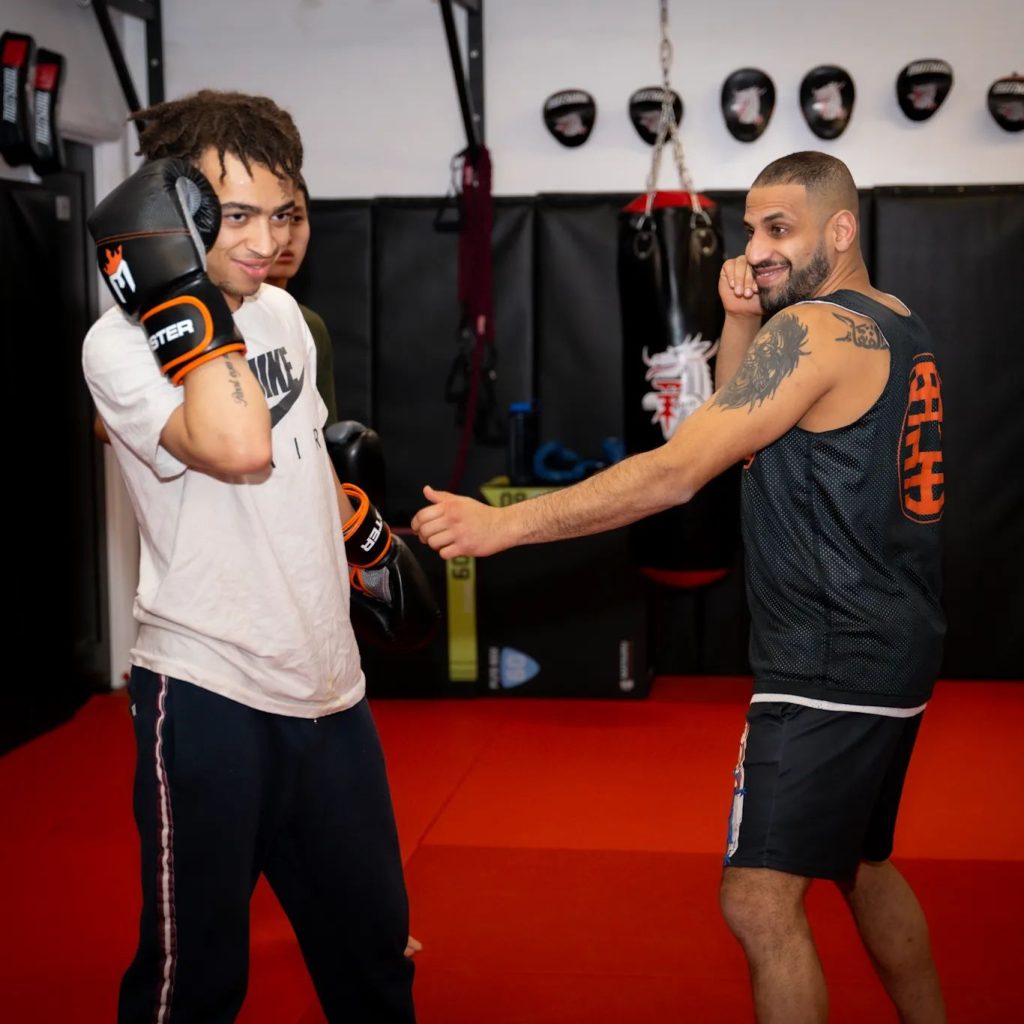
At Elevate MMA, our kids martial arts training provides families in Ottawa, Gloucester, Orleans, and surrounding communities with an active and engaging option beyond the school day. Children are given an opportunity to learn progressively in an environment where effort, respectful behaviour, and improvement matter.
Turning After-School Hours Into Something Productive
After sitting through lessons for much of the school day, many children are ready to move.
Going directly from a classroom to several more hours of sitting can make the afternoon feel long. Martial arts offers a clear change of pace.
Children enter a space where movement is encouraged. They can practice techniques, participate in drills, work with partners, and challenge their coordination.
The afternoon therefore becomes more than simply waiting for dinner or bedtime.
It becomes time devoted to learning something new.
That sense of purpose is one of the reasons martial arts can fit so naturally into a child’s weekly routine.
A Healthy Transition From School to Home
Children do not always leave the school day behind the moment the bell rings.
They may still be thinking about homework, friendships, a difficult lesson, or something frustrating that happened during the day.
Martial arts gives them something completely different to concentrate on.
A coach demonstrates a movement. The child has to watch. Then they need to try it themselves, make an adjustment, and practice again.
Attention shifts away from whatever happened earlier and toward what is happening right now.
For some children, having that transition between school and home can make the afternoon feel much more balanced.
Children Need Opportunities to Move
Physical activity is an important part of childhood, but finding enough opportunities for movement can become difficult when school, homework, transportation, and screen-based entertainment take up large portions of the day.
Martial arts makes physical activity part of learning.
Children are not simply exercising for the sake of completing a workout. They are developing skills while moving.
Training can challenge balance, coordination, cardiovascular fitness, body awareness, and general physical conditioning. Canadian martial arts programs similarly emphasize the combination of movement, coordination, balance, strength, and endurance in children’s training. (Orleans Patenaude Martial Arts & Fitness)
For many children, that skill-based approach can make physical activity more engaging.
Martial Arts Gives Kids Something to Work Toward
A good after-school activity should provide more than entertainment.
Children benefit from having something they can gradually improve.
Martial arts naturally creates this process.
A child might struggle with a movement during their first attempt. After receiving guidance and practicing repeatedly, the movement starts becoming easier.
Later, they learn another skill.
Progress builds upon progress.
Children begin discovering an important connection between practice and improvement.
They do not simply receive an achievement because they attended. They experience the satisfaction of becoming more capable through effort.
Structure Can Be Especially Valuable After School
The end of the school day does not have to mean the end of structure.
Martial arts classes have clear expectations.
Children need to listen when the coach is explaining something. They need to follow directions during drills. They have to respect training partners and understand when it is their turn to practice.
This creates boundaries without making the activity feel like another academic class.
Research and Canadian martial arts programs commonly highlight structured practice as an environment where children can work on attention, consistency, respect, and self-control. (Krav Maga Ottawa)
Over time, children can become increasingly familiar with what is expected of them.
Learning to Switch Into Focus Mode
One of the challenges children face after school is maintaining concentration.
They have already spent hours listening and completing academic work.
Martial arts requires a different type of focus.
Instead of looking at a textbook or screen, students need to observe physical demonstrations.
Where did the coach put their feet?
What happened with their hands?
Which direction did they move?
What comes next in the sequence?
The child then has to translate what they observed into their own movement.
That combination of listening, watching, remembering, and doing keeps the mind actively involved.
Training Can Provide a Break From Screens
Screens are a normal part of modern childhood.
Children use technology for education, entertainment, communication, and creativity. The issue is not necessarily whether screens should exist, but whether there is enough balance.
After-school martial arts creates a period when children are actively participating in the physical world around them.
They are moving rather than scrolling.
They are interacting face-to-face rather than through a device.
They are observing another person’s body language, responding to instructions, and communicating with training partners.
Canadian children’s martial arts programs frequently identify reduced sedentary screen time and increased physical and social engagement as benefits of after-school training. (Krav Maga Ottawa)
That makes martial arts a practical way to diversify how children spend their free time.
Social Interaction Happens Naturally
Not every child finds it easy to walk into a group and immediately make friends.
Martial arts can make social interaction easier because everyone already has a shared activity.
Children do not need to invent a reason to speak to another student.
The coach might pair them together for a drill.
They may take turns practicing.
They might encourage one another or help each other remember what comes next.
Over time, familiar classmates can become familiar training partners.
These repeated interactions provide opportunities to practice cooperation and communication without making socializing the entire purpose of the activity.
An Individual Journey Inside a Group Environment
Martial arts has an interesting balance between individual development and group participation.
Children train alongside other students, but they are also working on their own abilities.
This means a child can enjoy being part of a community without every achievement depending on the performance of an entire team.
One student may be working on balance.
Another may need to improve focus.
Someone else may be becoming more comfortable working with partners.
Everyone can progress from their own starting point.
That makes martial arts suitable for children with a wide range of personalities and abilities.
Confidence Comes From Doing Difficult Things
Confidence is difficult to teach through words alone.
Parents can tell children that they are capable, but children also need opportunities to discover capability for themselves.
Martial arts provides those opportunities regularly.
A new technique may initially look complicated.
The child tries it.
It does not work perfectly.
The coach provides guidance.
They try again.
Eventually, they improve.
That experience provides real evidence that difficulty does not mean impossibility.
Canadian youth activity research has also found that confidence-building through skill practice can support greater willingness to participate in physical activity, particularly when young people have opportunities to practice alongside peers. (CHEO Research Institute)
Mistakes Become Part of Learning
School can sometimes make children very conscious of getting answers right or wrong.
Martial arts provides another relationship with mistakes.
When learning physical skills, mistakes are expected.
A foot may be in the wrong position.
A movement may happen too quickly.
The child may forget the next step.
Instead of receiving a poor grade, they receive information about what to change.
Then they try again.
This can help children become more comfortable with the idea that mistakes are not necessarily failures.
They are part of developing a skill.
Martial Arts Can Teach Patience
Children live in a world where many forms of entertainment provide instant rewards.
Martial arts works differently.
Improvement takes time.
A technique that looks simple when demonstrated may require many attempts before it feels comfortable.
This gives children experience with delayed gratification.
They learn that wanting to be good at something is not the same as practicing enough to become good at it.
That distinction can be valuable throughout childhood.
Listening Has an Immediate Purpose
Children are frequently told to listen.
Martial arts gives listening a practical consequence.
If a child pays attention to the demonstration, they are more likely to understand the activity.
If their attention wanders, they may not know what to do when practice begins.
This creates natural feedback.
Listening is no longer simply a rule imposed by an adult. It becomes something that helps the child succeed at an activity they want to learn.
Learning How to Work With a Partner
Partner training introduces another important responsibility.
Children cannot think only about themselves.
They need to understand that another student is also trying to learn.
That means controlling their movements, taking turns appropriately, following the drill, and listening when their partner communicates.
These experiences encourage cooperation.
Children begin learning that being a good training partner means helping someone else have a productive experience too.
Respect Has a Practical Meaning
Respect in martial arts is demonstrated through behaviour.
Children show respect when they listen to coaches, follow safety expectations, treat classmates appropriately, and control their actions during partner work.
They also learn that ability does not determine who deserves respect.
A brand-new student deserves it.
An experienced student deserves it.
A quieter child deserves it.
Someone who needs more time to understand a technique deserves it.
That environment can help reinforce positive social behaviour outside training as well.
An Outlet for Energy Without Encouraging Aggression
Parents sometimes wonder whether martial arts will make children more aggressive.
Responsible children’s martial arts training should teach the opposite lesson: physical ability requires control.
Children learn that techniques belong in appropriate training situations and should be practiced according to coaching instructions.
They learn that having the ability to perform a movement does not mean using it carelessly.
The objective is controlled skill development.
This distinction between capability and responsibility is one of the most valuable lessons martial arts can offer.
Learning Self-Control Through Movement
Self-control becomes very concrete during martial arts.
A child may be excited and want to perform a technique as quickly as possible.
But they still need to wait for instructions.
They may want to use maximum strength during a partner exercise.
But they need to control their intensity.
They may become frustrated when something does not work.
But they need to reset and try again.
These are small situations, yet each one gives the child an opportunity to practice managing their own behaviour.
A Constructive Way to Handle Frustration
Children experience frustrating days too.
Perhaps schoolwork was difficult.
Maybe there was a disagreement with a friend.
Perhaps something simply did not go as planned.
Martial arts does not magically remove those feelings, but training can provide a constructive outlet.
Physical movement allows children to direct energy toward something productive.
At the same time, martial arts teaches them to remain controlled even when an activity becomes difficult.
That combination can help children become more comfortable working through frustration rather than immediately giving up.
Martial Arts Can Build Resilience
Every child eventually encounters challenges they cannot solve immediately.
Martial arts makes this normal.
Some techniques require more practice than others.
A child may understand one movement quickly and struggle with another.
The important question becomes what they do next.
Do they stop because it is difficult?
Or do they listen, adjust, and try again?
Repeated experiences of overcoming manageable challenges can help children develop persistence. Martial arts programs for children commonly emphasize this process of working through difficulty, developing resilience, and learning that improvement comes through continued practice. (Orleans Patenaude Martial Arts & Fitness)
Kids Can Develop Better Body Awareness
Growing children are constantly adapting to changes in their bodies.
Martial arts asks them to pay attention to movement.
Where are their feet?
Are they balanced?
How should they move their hips?
Where should their hands be?
Can they perform a movement slowly before trying it more quickly?
This develops awareness of how different parts of the body work together.
Improved coordination can also make physical activity more enjoyable because children begin feeling increasingly comfortable with movement.
Progress Gives Children Ownership
Martial arts progress belongs to the student.
A parent can encourage attendance.
A coach can provide instruction.
A training partner can help with practice.
But the child ultimately has to participate.
That creates ownership.
They begin recognizing that their attention and effort influence how much they improve.
This is a useful lesson because it shifts some responsibility away from adults and toward the child.
After-School Activities Can Support Routine
Children often benefit from knowing what their week looks like.
A regular martial arts schedule can become an anchor in that routine.
School ends.
There is time to transition, eat an appropriate snack if needed, prepare for training, attend class, return home, complete other responsibilities, and wind down for the evening.
The details will vary between families, but having predictable activities can help make busy weeks easier to organize.
It also teaches children that commitments are something we plan around rather than attend only when we happen to feel motivated.
Martial Arts and Homework Responsibilities
Parents may worry that an after-school activity will interfere with homework.
The answer often depends on scheduling and the individual child.
For some families, having a scheduled activity can actually encourage better time management.
Children know that training happens at a particular time, so school responsibilities need to be organized around it.
As children get older, parents can gradually involve them in planning.
What homework needs to be completed?
When is training?
What needs to be prepared for tomorrow?
This encourages children to think ahead rather than waiting until the last minute.
A Different Kind of Achievement
Not every child connects with the same activities.
Some love traditional team sports.
Others prefer music, art, technology, or academic clubs.
Martial arts provides another path.
A child who has never considered themselves particularly athletic may discover that they enjoy technical learning.
Another child may love the physical challenge.
Someone else may be motivated by the progression and structure.
Giving children different opportunities increases the chance that they find something they genuinely want to continue.
Practical Self-Defence With Responsibility
Martial arts can also introduce age-appropriate concepts related to personal safety.
Children can learn that self-defence begins with awareness, communication, boundaries, and seeking help from trusted adults.
Physical techniques should never be presented as permission to fight.
Instead, training can help children understand that physical skills come with responsibility.
Knowing something and choosing when not to use it can be an important form of self-control.
Why Consistency Matters More Than Immediate Talent
Some children look naturally coordinated during their first class.
Others do not.
That tells us very little about what either child may accomplish over time.
Martial arts rewards consistency.
A child who listens, practices, and continues attending can make substantial progress even if the first few classes feel difficult.
This can be an especially healthy lesson for children who believe people are simply “good” or “bad” at activities.
Training shows them that abilities can develop.
Celebrating Effort Instead of Comparing Children
Parents naturally want to recognize achievement, but martial arts can provide an opportunity to celebrate something equally important: effort.
Did the child keep trying when a drill was difficult?
Did they listen more carefully than last week?
Did they work respectfully with someone new?
Did they handle a correction well?
These moments may not look as impressive as learning an advanced technique, but they often reveal important development.
Focusing on personal progress also reduces the temptation to compare one child’s journey with another’s.
A Community Outside School
School friendships are important, but children can benefit from belonging to communities outside school as well.
Martial arts introduces them to people they might not otherwise meet.
That gives children another social environment where they can establish relationships and develop a sense of belonging.
If something is difficult socially at school, having another positive community can be especially meaningful.
Training becomes a place where the child is known for their effort and development rather than whatever social role they occupy in the classroom.
What Parents Should Look for in a Kids Martial Arts Program
The quality of the program matters.
Parents should look beyond the fact that a facility simply offers children’s martial arts.
Observe how coaches communicate with students.
Children should be challenged without being humiliated.
Safety expectations should be clear.
Partner activities should be controlled.
Beginners should have a realistic path into training.
The atmosphere should encourage learning rather than unnecessary aggression.
Most importantly, your child should feel that they have room to improve without being expected to perform like an experienced student immediately.
Why Families in Ottawa, Gloucester, and Orleans Choose After-School Martial Arts
Families have different reasons for enrolling their children.
One parent may want an alternative to excessive screen time.
Another may be looking for physical activity.
Others may value confidence, focus, social interaction, self-control, or practical martial arts education.
The advantage of martial arts is that these goals do not have to exist separately.
A child can be physically active while learning.
They can interact socially while developing individual skills.
They can have fun while also being expected to follow rules.
That combination makes martial arts particularly well suited to the hours after school.
More Than Something to Keep Kids Busy
There is a meaningful difference between occupying a child’s time and investing that time in development.
After-school martial arts can do the latter.
A class gives children something they can carry forward.
They leave knowing a little more than when they arrived.
Maybe their movement has improved.
Maybe they handled frustration better.
Maybe they spoke to a new training partner.
Maybe they finally understood a technique they had struggled with for several weeks.
Individually, these moments may seem small.
Over months and years, they can become significant.
Make After-School Time Count at Elevate MMA
At Elevate MMA, our kids martial arts classes give children a structured way to stay active, learn new skills, and enjoy meaningful time after the school day.
Our training focuses on progressive martial arts development while giving students opportunities to practice focus, respect, controlled movement, cooperation, and perseverance.
For families in Ottawa, Gloucester, Orleans, and surrounding communities, martial arts can turn a few hours each week into something children genuinely look forward to while giving parents an activity with value beyond simple entertainment.
Your child does not need previous martial arts experience to begin. They need an opportunity to learn, a supportive environment, and the willingness to keep trying.
One after-school class can be the beginning of a skill they continue developing for years.